5 Surprising Causes of Teeth Grinding and Definitive Solutions
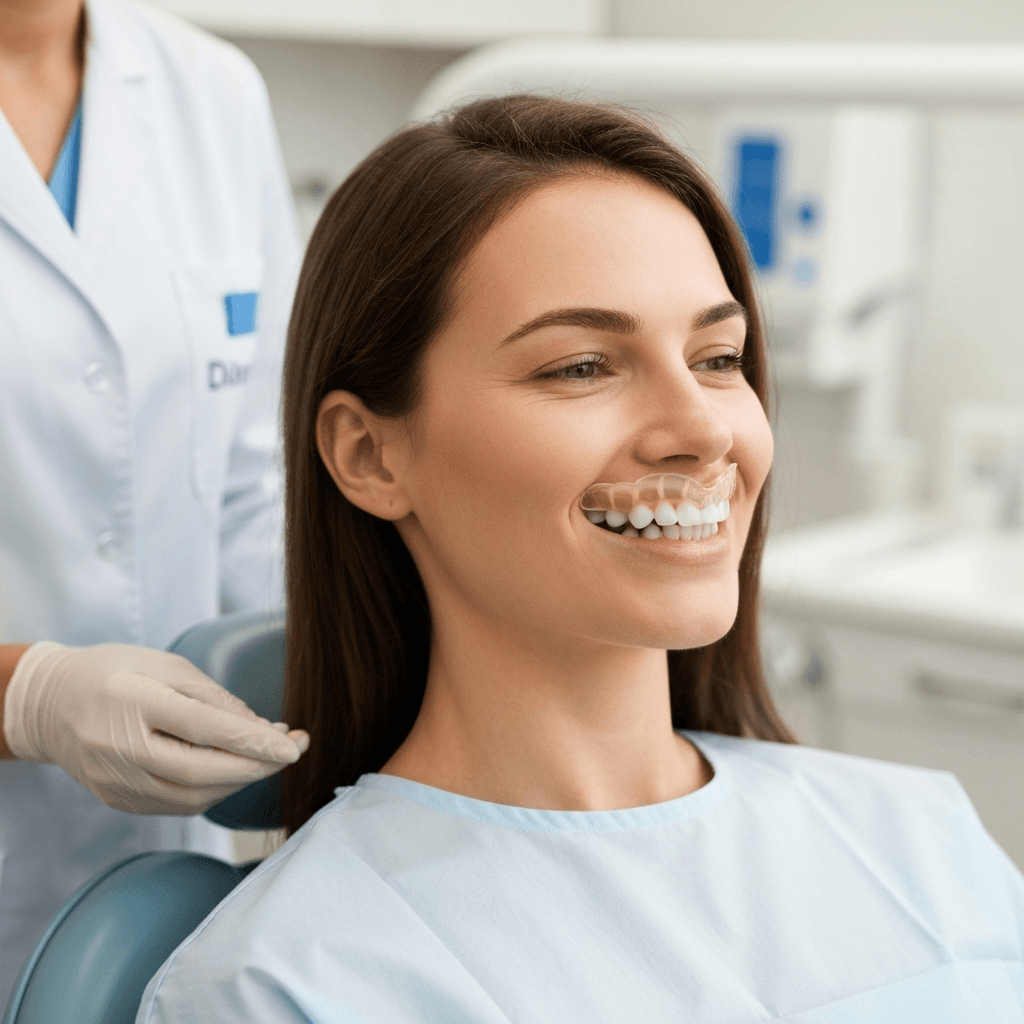
While tossing restlessly in your bed at night, you might be unconsciously clenching or grinding your teeth. Although this may seem like just a nighttime habit, it can seriously affect your health in the long run. Did you know that this mysterious problem affecting 1 in 10 people worldwide has surprising causes and effective solution methods for the discomfort known as bruxism (teeth grinding)? Then you are in the right place.
What is Teeth Grinding?
Teeth grinding (medically known as bruxism) is the involuntary clenching or grinding of teeth due to the contraction of mouth and jaw muscles. This condition usually occurs unconsciously during sleep but can also be observed in some people during the day. Beyond being just an annoying sound, bruxism can lead to many health issues such as tooth wear, cracks, pain in the jaw joint (temporomandibular joint – TMJ), and headaches. This condition can not only reduce your sleep quality but also negatively affect your daily life quality.
Causes of Teeth Grinding
The causes behind bruxism are quite diverse and are usually not linked to a single factor. Here are 5 surprising causes of teeth grinding:
- 1. Stress and Anxiety: Stress, one of the greatest enemies brought by modern life, is the most common cause of teeth grinding. According to common belief, bruxism is 70% more prevalent in relation to stress. A fast-paced work environment, financial problems, or tensions in personal relationships can cause tension in jaw muscles, leading to nighttime teeth clenching.
- 2. Misaligned Jaw Structure (Malocclusion): When teeth do not fit together properly (occlusion disorder), it can disrupt the natural position of the jaw, causing excessive grinding of teeth. This condition can lead to imbalance in jaw muscles and thus pave the way for teeth grinding.
- 3. Sleep Apnea and Other Sleep Disorders: Respiratory issues like sleep apnea or other sleep disorders such as restless leg syndrome can cause the body to enter a state of stress and reflexively clench the teeth. The body may tend to move the jaw to clear airway obstructions.
- 4. Certain Medications and Substances: Side effects of some medications, such as antidepressants, can include teeth grinding. Additionally, excessive consumption of caffeine, alcohol, or tobacco can also trigger bruxism by affecting the central nervous system.
- 5. Reflux and Stomach Acid: Some studies show that teeth grinding is more common in people with gastroesophageal reflux disease (heartburn or reflux). The discomfort from reflux or the burning sensation during acid reflux can cause involuntary jaw clenching.
Ways to Cope with Teeth Grinding
Finding a permanent solution to the teeth grinding problem is possible. Here are the most effective methods:
Professional Solutions
- 1. Night Guard (Bruxism Guard): A night guard (transparent or protective splint) custom-made by your dentist prevents your teeth from grinding against each other and reduces the load on your jaw joint. These guards prevent tooth wear while allowing you to sleep more comfortably.
- 2. Botox Applications: In severe cases of bruxism, Botox injections can be administered to the jaw muscles (masseter muscle). Botox reduces the contraction strength of the muscles, alleviating teeth grinding and relieving pain. Its effect typically lasts for 3-6 months.
- 3. Dental Treatments: In cases of teeth grinding caused by occlusion disorders (malocclusion) or missing teeth, the issue can be resolved with dental treatments such as orthodontics, fillings, or crowns.
Solutions and Tips You Can Apply at Home
- 1. Stress Management Techniques: Try relaxation techniques such as meditation, yoga, deep breathing exercises, or walking to reduce stress in your daily life. Taking a warm shower before bed or listening to calming music can also help.
- 2. Jaw Exercises: You can perform gentle stretching and massage movements to relax your jaw muscles. For example, place your palms on your chin and gently push up-down or side-to-side to move your jaw.
- 3. Limit Caffeine and Alcohol Intake: Avoiding caffeinated beverages and alcohol, especially in the evening, can improve your sleep quality and alleviate bruxism symptoms.
- 4. Build Awareness: When you notice yourself clenching your teeth during the day, relax your jaw by placing your tongue behind your front teeth, towards your palate. This simple movement will help the muscles to relax.
Teeth grinding is a serious condition that can affect not only your dental health but also your overall health and quality of life. If you are experiencing this issue, seeking professional help is the best course of action. With early diagnosis and proper treatment methods, you can overcome this problem and regain a healthy smile and restful sleep. As Miyadental, with our expert dentists, we create personalized treatment plans to provide definitive solutions to your teeth grinding problem. Remember, a healthy mouth is a reflection of your overall health. Contact us to make an appointment and rediscover your smile.