Proper Brushing for Dental Health: Improve Your Oral Hygiene in 5 Steps
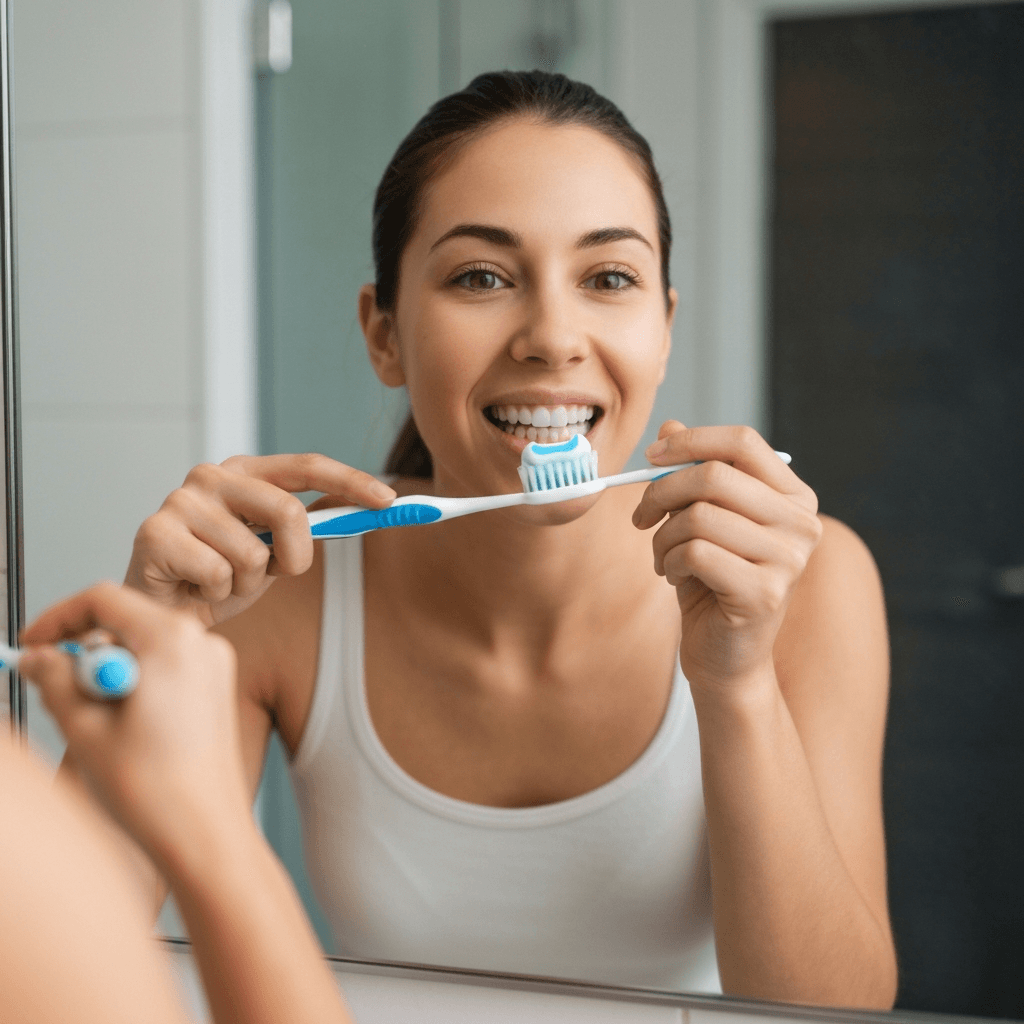
Oral hygiene is an integral part of our overall health, and the first step to having a healthy smile is knowing proper tooth brushing techniques. Cleaning our teeth effectively is not only for aesthetic concerns but also critically important to prevent common issues like tooth decay (cavities) and gum diseases (periodontal diseases). Tooth decay, one of the most common chronic diseases worldwide, affects 1 in every 4 people, and studies show that proper tooth brushing can reduce this risk by 50%. Therefore, adopting regular and correct brushing habits is essential for maintaining our oral health.
Tooth Brushing Techniques: Which is More Effective?
Although tooth brushing may seem like a simple action, it is important to follow specific techniques for effective results. The two most common and effective techniques, the Bass Method and the Modified Bass Method, aim to clean bacterial plaque below and above the gum line. Depending on the condition of your teeth and gums, your dentist will recommend the most suitable technique for you.
Bass Method (Sulcus Cleaning)
This method is designed to clean bacterial plaque that accumulates just below the gum line, in the space between the tooth and gum (sulcus). It is important to position the brush at a 45-degree angle to the gum and target the gum line with short, gentle vibrations. This effectively disperses and removes the plaque.
Modified Bass Method
In addition to the Bass Method, the Modified Bass Method involves sweeping motions of the brush along the tooth surface. After vibrating motions, roll the brush down (for upper jaw) or up (for lower jaw) from the tooth surface to clean residues on the tooth surface and chewing surfaces. This comprehensive approach significantly improves the quality of oral hygiene.
Choosing the Right Toothbrush and Toothpaste
For dental health, choosing the right tools is just as important as proper brushing. There are many different types of toothbrushes and toothpaste on the market. Here are some tips:
- Soft-Bristled Toothbrush: Always choose a soft-bristled toothbrush for effective cleaning without damaging your gums. Hard brushes can erode your tooth enamel (outer layer) and cause gum recession.
- Small-Headed Brush: A small-headed brush is ideal for easily reaching the back areas of your mouth and hard-to-reach spots.
- Fluoride Toothpaste: Fluoride is the most effective component in preventing tooth decay. Make sure to use a fluoride toothpaste to help strengthen your tooth enamel.
Brushing Frequency and Duration: How Long Should You Brush?
Effective tooth brushing techniques provide maximum benefit when applied regularly. Generally, it is recommended to brush your teeth at least twice a day, after breakfast in the morning and before bed at night. Each brushing session should last at least two minutes. Timers or electric toothbrushes with timers can help you keep track of this duration. Remember, rushed and half-hearted brushing is no better than not brushing at all.
Practical Tips:
- Clean between your teeth daily using dental floss or an interdental brush. This step is vital for removing bacterial plaque in areas that brush bristles cannot reach.
- Don't neglect to brush your tongue. Bacterial buildup on the tongue can cause bad breath (halitosis).
- Replace your toothbrush every 3 months or sooner if the bristles become frayed. Old brushes do not clean effectively and can harbor bacteria.
Adopting proper brushing habits for tooth decay prevention and overall dental health is the key to a lifelong healthy smile. It is also very important not to neglect regular dental check-ups to maximize your oral hygiene and detect potential problems early. A professional dental examination and cleaning play a complementary role in maintaining your oral health. As Miyadental, we are pleased to offer personalized solutions for a healthy smile and comprehensive oral care. Contact Miyadental today for all your oral health needs and schedule your appointment.